Star Gold Font: Retro Pixel Design for Makers
Designing Candle Labels with Star Gold Sans Serif Fonts
When I first opened the file for Star Gold, I was in the middle of rebranding my small-batch candle line and desperately needed a typeface that felt both nostalgic and fresh. As a maker who spends hours tweaking label designs in Illustrator, finding the right balance between retro charm and modern legibility is often a struggle, but this Sans Serif display font immediately clicked with my aesthetic. The pixel-perfect precision of Star Gold allowed me to create a "Soy Wax & Sparkle" label that stood out on the shelf without looking like a generic video game asset. Because the letterforms are constructed with such intentional geometry, they printed beautifully on matte vinyl stickers, maintaining crisp edges even at smaller sizes where other pixelated fonts tend to bleed or look muddy.
Using Star Gold for product packaging requires a thoughtful approach to hierarchy, as its bold, blocky nature demands attention. I found it worked best as the primary identifier—the scent name or the brand logo—while pairing it with a simple, thin sans serif for the safety warnings and burn instructions. This contrast not only ensured regulatory compliance but also elevated the perceived value of the candle. Customers often commented that the packaging felt "premium retro," a direct result of choosing a font that bridges the gap between 8-bit nostalgia and contemporary boutique design. For fellow crafters designing physical goods, remember that Star Gold shines brightest when given breathing room; overcrowding the label diminishes its playful digital impact.
Creating Playful Digital Game Display Art with Star Gold
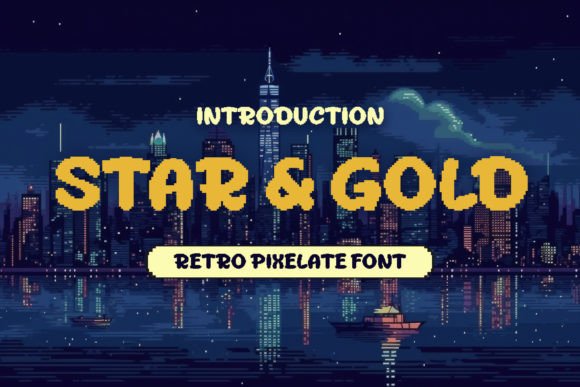
Beyond physical products, integrating Star Gold into printable wall art and digital downloads has opened up an entirely new revenue stream for my shop. When designing retro-themed nursery decor or gaming room posters, this Modern Retro Pixelate Font provides an authentic texture that standard vector fonts simply cannot replicate. I recently created a series of "Player One" birthday milestone prints where Star Gold served as the headline typography, and the pixel-infused style resonated deeply with millennial parents looking for gender-neutral, geek-chic decor. The font’s inherent playfulness makes it ideal for digital assets because it evokes emotion instantly, turning a simple PDF download into a nostalgic experience for the buyer.
For creators selling editable templates or social media kits, Star Gold offers versatility that extends beyond just gaming aesthetics. I have used it effectively in retro tech tutorials, synth-wave playlist covers, and even quirky recipe cards for a digital cookbook. The key to success with this typeface in the digital space is understanding its weight; it is a heavy display font that anchors a composition. When I design Instagram story templates for sale, I use Star Gold for the hook or title text to stop the scroll, ensuring the pixels remain sharp on high-resolution screens. It is crucial to test your digital mockups at various zoom levels to ensure the pixelation reads as a stylistic choice rather than a rendering error, preserving the professional quality customers expect from premium fonts.
Star Gold Typography for Wedding Invitations and Stationery
It might seem counterintuitive to use a pixelate font for wedding stationery, but Star Gold has become my secret weapon for couples seeking non-traditional, personality-driven invitations. In a sea of swirling scripts and elegant serifs, a Save the Date featuring Star Gold signals a fun, relaxed celebration that breaks away from stuffy norms. I recently designed a suite for an arcade-bar venue wedding where we used this font for the couple's names and the event date, creating a cohesive theme that carried through to the welcome sign and table numbers. The juxtaposition of the blocky, digital typeface against soft cream cardstock and delicate floral illustrations created a stunning visual tension that guests absolutely loved.
However, using Star Gold for weddings requires strict adherence to readability and etiquette. I always advise clients to limit this font to headlines, names, and short phrases; body copy regarding RSVP details, dress codes, or venue directions should always be set in a clean, highly legible sans serif or serif companion font. The goal is to evoke nostalgia without sacrificing clarity for older guests or those unfamiliar with pixel art. When cutting these designs on a Cricut or Silhouette for DIY wedding projects, ensure you are using the OTF or TTF files correctly and consider welding letters if necessary to prevent tiny pixel islands from lifting during the weeding process. Star Gold transforms standard paper goods into conversation starters, proving that retro typography can be romantic in its own unique way.
Merchandise Design and Apparel Branding Using Star Gold Fonts
Applying Star Gold to apparel and tote bags presents a different set of challenges and rewards compared to paper goods, particularly regarding production methods like screen printing, heat transfer vinyl (HTV), and direct-to-garment (DTG). When designing a line of retro graphic tees for my shop, I discovered that the font’s solid blocks of color translate exceptionally well to HTV, as there are no intricate internal cutouts to weed out. This efficiency is a massive time-saver for handmade sellers fulfilling custom orders. The bold, geometric structure of Star Gold ensures that text remains visible from a distance on a t-shirt or sweatshirt, making it perfect for slogans, band-style merchandise, or statement tote bags that need to pop in listing photos.
For embroidery enthusiasts, Star Gold’s pixelated nature mimics the natural grid of cross-stitch or machine embroidery digitization, resulting in a finished product that looks intentionally crafted rather than digitally imposed. I have used this font to create patches and embroidered beanies where the blocky letters align perfectly with the stitch count, reducing thread breaks and puckering. When listing these items, emphasize the tactile quality of the pixel design in your product descriptions and photography. Always verify your commercial licensing for Star Gold before mass-producing merchandise, as protecting your business starts with respecting intellectual property. Whether you are pressing vinyl in your home studio or sending files to a print-on-demand partner, this font delivers a consistent, high-impact retro vibe that helps handmade apparel stand out in a saturated market.
Pairing Star Gold with Clean Sans Serif Fonts for Shop Branding
Successful shop branding relies on cohesion, and knowing how to pair Star Gold with complementary typefaces is essential for creating a professional visual identity across all touchpoints. Because Star Gold is so visually distinct and textured, it acts as the "voice" of the brand, while supporting fonts handle the functional communication. In my own shop rebrand, I paired Star Gold with a minimalist, geometric sans serif for navigation menus, policy pages, and product descriptions. This combination prevents visual fatigue; if everything were pixelated, the shopping experience would feel chaotic and difficult to read. The clean lines of the secondary font provide a neutral canvas that allows Star Gold’s retro personality to shine without overwhelming the customer.
This pairing strategy extends to social media graphics, email newsletters, and packaging inserts. When creating unboxing thank-you cards, I use Star Gold for the "Thank You!" header to maintain brand recognition, but switch to a readable humanist sans serif for the personalized note and discount code. This ensures the customer feels appreciated and can easily redeem their offer, blending emotional connection with utility. For makers building a brand from scratch, treat Star Gold as a spice rather than the main ingredient; a little goes a long way in establishing a memorable, nostalgic atmosphere. Experiment with spacing and alignment to see how the rigid pixels interact with softer typefaces, and always preview your combinations on both mobile devices and desktop monitors to ensure your brand identity remains accessible and engaging across all platforms.